
Self-esteem and mental health
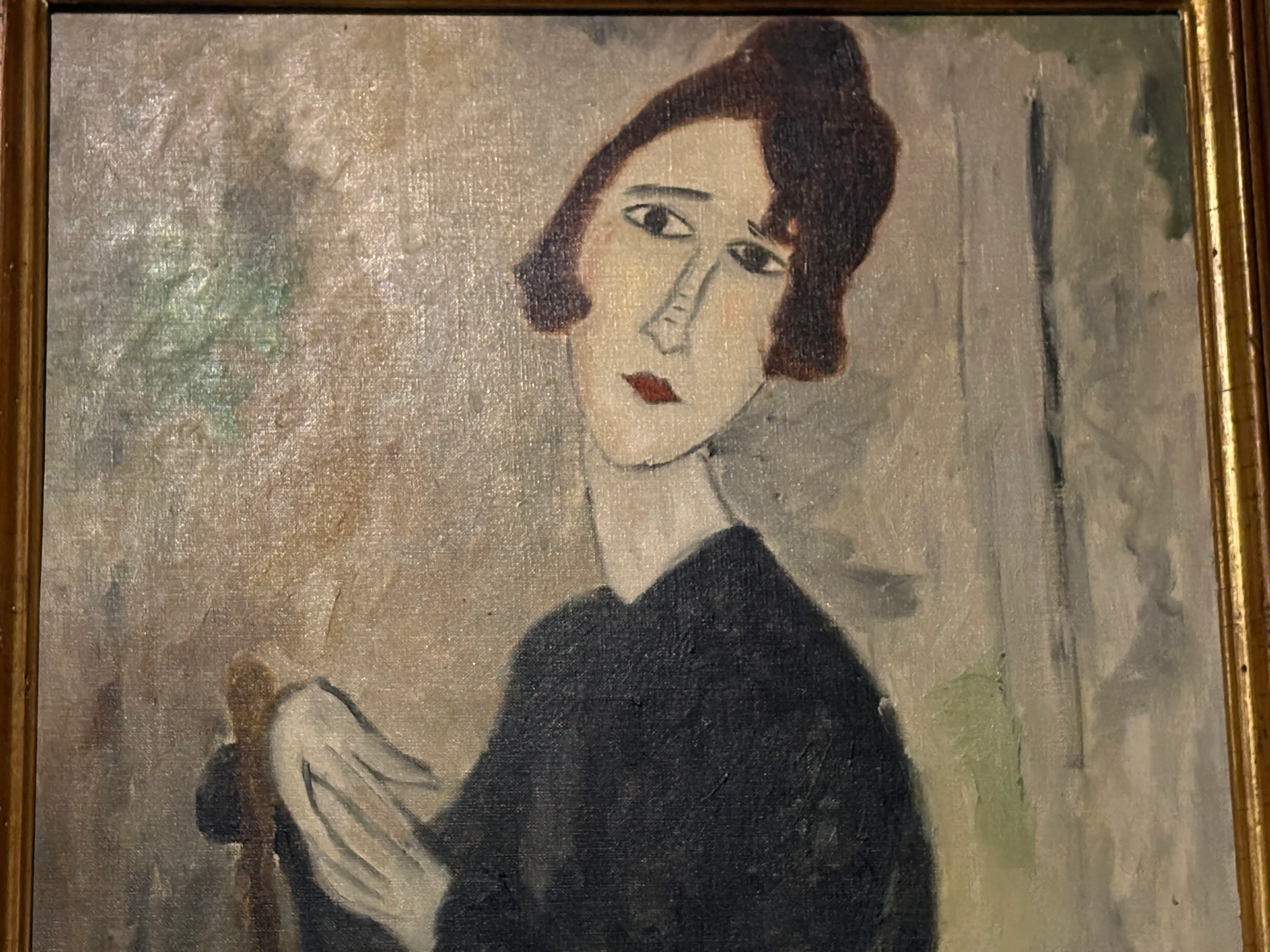
Women’s mental health, self-esteem, empowerment.
Mental health, stigma and self-esteem among women in the Marina Alta
This week, we came across some staggering statistics in relation to the mental health situation of women in our region.
Amadem, the mental health NGO in the Marina Alta region, has highlighted the situation of women with mental health issues to mark International Women’s Day.
The organisation is drawing attention to the impact of stigma and low self-esteem on women’s daily lives and access to basic rights. Luisina Daives, a psychologist at Amadem, warns that social discrimination remains one of the main obstacles to recovery and integration.
Daives draws on the ‘GEA’ Study, initiated by Mental Health Spain and funded by the Ministry of Social Rights, Consumer Affairs and the 2030 Agenda.
GEA refers to ‘Gestión del Empoderamiento y la Accesibilidad en Derechos’’, or ‘Measures concerning empowerment and access to rights of women and girls in Spain’.
According to the study, 31% of women with personal experience of mental health issues do not access specialist resources for fear of the stigma of being rejected or because they have previously experienced discrimination.
The report reveals that 70% of these women express concern about what other people think of them, whilst 60% feel dissatisfied with their physical appearance. Added to this is the fact that 96% of the professional teams working with this group rate self-esteem and self-concept (the way in which each woman perceives herself) as low or very low.
Amadem points out that social stigma remains one of the factors that most hinders women’s ability to meet their personal, social and health needs. This view is shared by 83% of the professionals consulted in the study, and within this group, 75% consider that the stigma associated with mental health has a clear gender bias.
This implies that many women suffer what is known as “double stigmatisation”: for being women and for having a mental health problem. As Daives explains, this phenomenon is fuelled by misinformation, fear of the unknown and the belief that mental disorders will never affect oneself, despite studies indicating that anyone can experience a mental health problem at some point in their life.
The psychologist also highlights the link between stigma and self-esteem. She warns that discrimination, rejection or exclusion in areas such as the workplace or social settings can lead many women to believe they are “worthless”, which exacerbates emotional distress and hinders recovery. The organisation believes that there is still much work to be done, particularly in the educational and social spheres, to promote respect, understanding of differences and care for mental health.
Amadem concludes that moving towards a healthier society requires strengthening emotional education and community support, with the aim of enabling women, men, teenagers and children to thrive in safer, more inclusive and stigma-free environments.
This is the kind of environment that we strive to offer at our EUWMA events.
Last week’s morning dedicated to communication, the handling of anger and the use of microfeminist ways of expression led to a lively discussion on how to position ourselves in safe and riskier situations.
One thing is sure: as long as a lack of self-esteem leads to withdrawal, it remains of great importance that we stand together and reach out in mutual support.
Marion Oprel, 15 March 2026
Would you like to reply? You can do so in our Facebook group, where Facebook will ask you to join the group first, or write to us at [email protected].